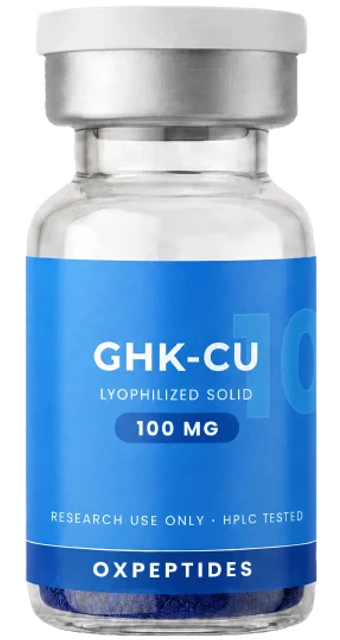
GHK-Cu — buying guide
Composition, the blue-violet powder, vial sizes, what a batch COA must show, storage.
From $40Read the guideWhat each compound is, how it is supplied (size, purity, batch COA), how to store it, and how to choose a supplier in the United States.
Research use only. Not for human or veterinary use.
Start here
Composition, the blue-violet powder, vial sizes, what a batch COA must show, storage.
From $40Read the guide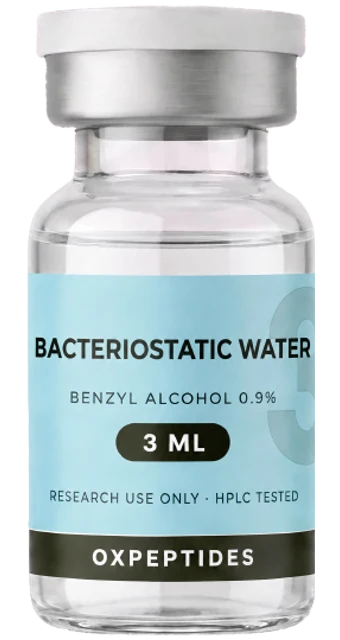
Sterile water with 0.9 % benzyl alcohol: what the label says, sizes, storage, what to check.
From $8Read the guide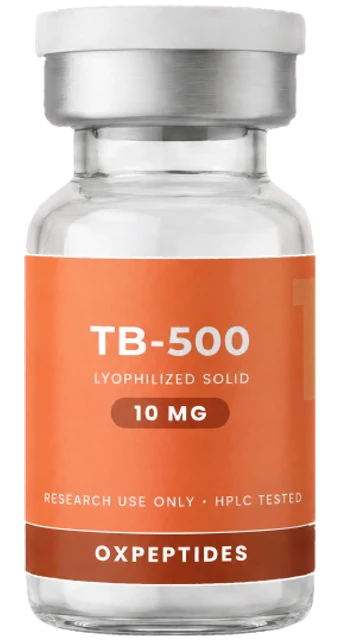
What the trade name covers, the white powder, vial sizes, what a batch COA must show, storage.
From $135Read the guide12 more guides
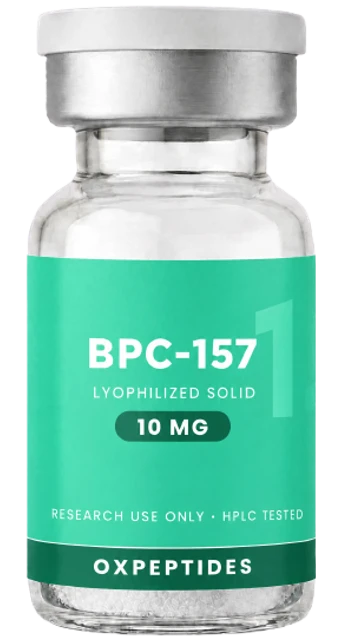
Sequence and mass, the white lyophilized powder, vial sizes, what a batch COA must show, storage.
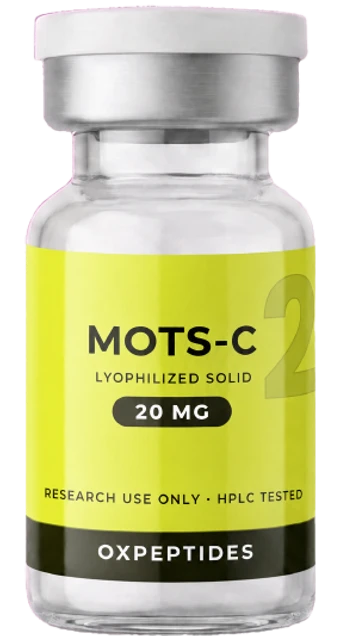
The 16-residue mitochondrial peptide: sequence, mass, vial sizes, what a batch COA must show.
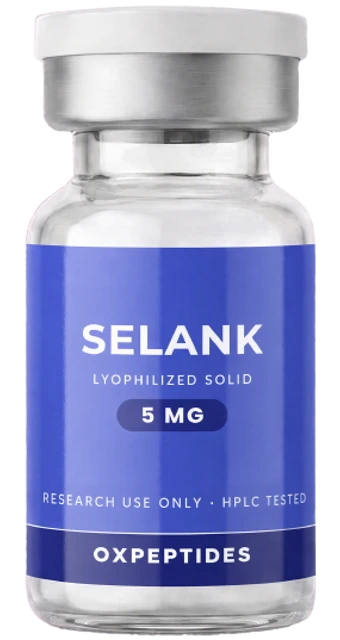
The tuftsin-derived heptapeptide: sequence, mass, 5 and 10 mg vials, what a batch COA must show.
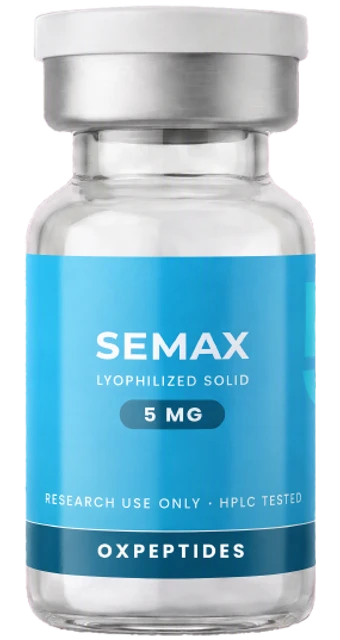
The ACTH(4-10)-derived heptapeptide: sequence, mass, 5 and 10 mg vials, what a batch COA must show.
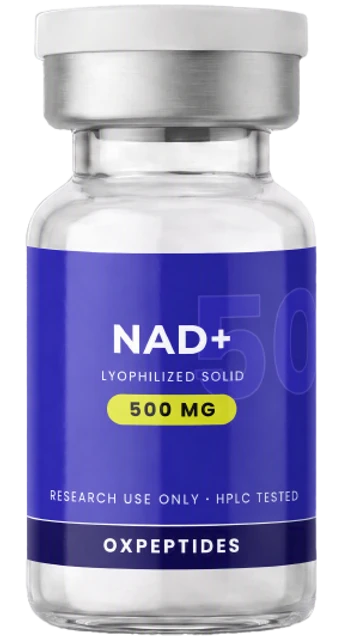
A coenzyme, not a peptide: structure, mass, the white powder, vial sizes, what a batch COA must show.
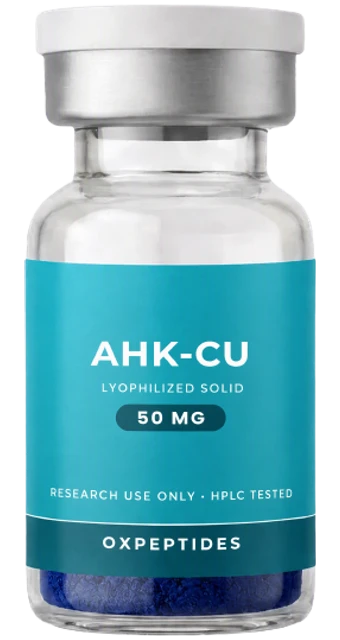
The second copper tripeptide: sequence, mass, vial sizes, batch COA, and how it compares with GHK-Cu.
Two peptides compared as objects: sequence, mass, vial sizes, and what each certificate has to show.
The C-terminal tripeptide of α-MSH: sequence, mass, vial sizes on the market, what a COA must show.
What each field must say, how to verify it on the laboratory site, the signs of an edited certificate.
Eight checks that separate a supplier from a reseller, a comparison table, and the catalog guides.
What lyophilization is, the four things that degrade a peptide, storage temperature and shelf life.
What the HPLC measures, why 99 % is not 99 mg in a 100 mg vial, why a percentage needs a chromatogram.